Urgent & Relevant
Zheng’s role in elevating the field of contemporary Asian art and fostering global artistic exchange is significant. His life forms an integral chapter in Chinese, Canadian, and global art history, yet his story remains largely unknown to a broader audience.
At a moment when the world faces profound geopolitical realignment—rising authoritarianism, fracturing international dialogue, and increasingly polarized narratives about China and the West—Zheng’s journey offers something rare: a lived map of cultural exchange that resists simplification. As he and his generation age, the window to capture their first-hand memories is rapidly narrowing. This documentary is both an urgent act of preservation and a timely intervention.
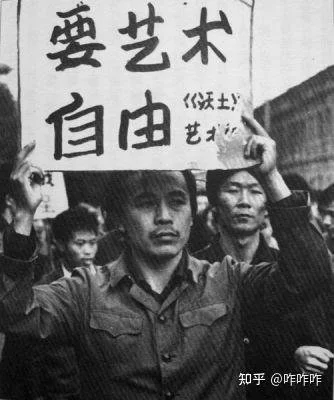
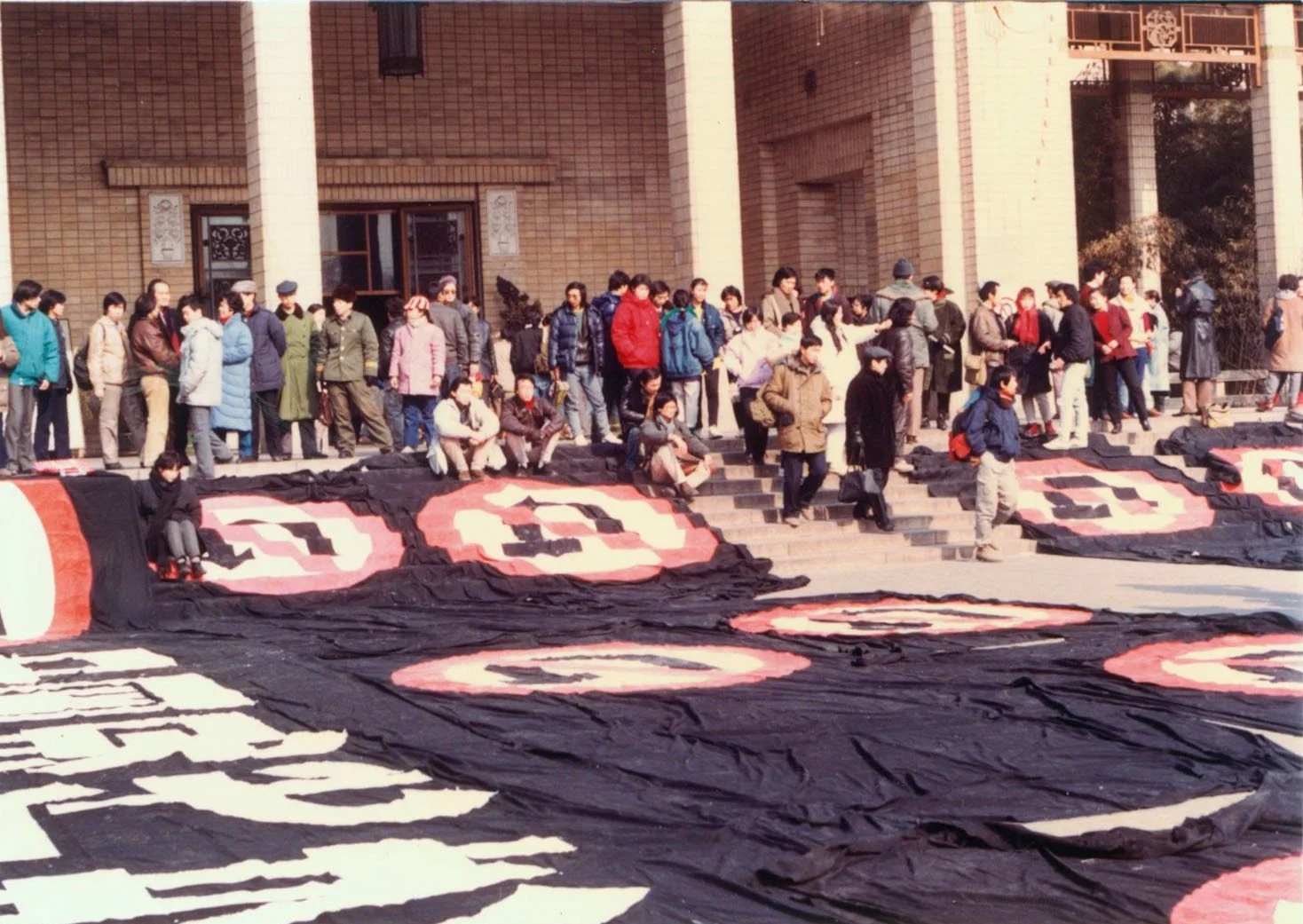
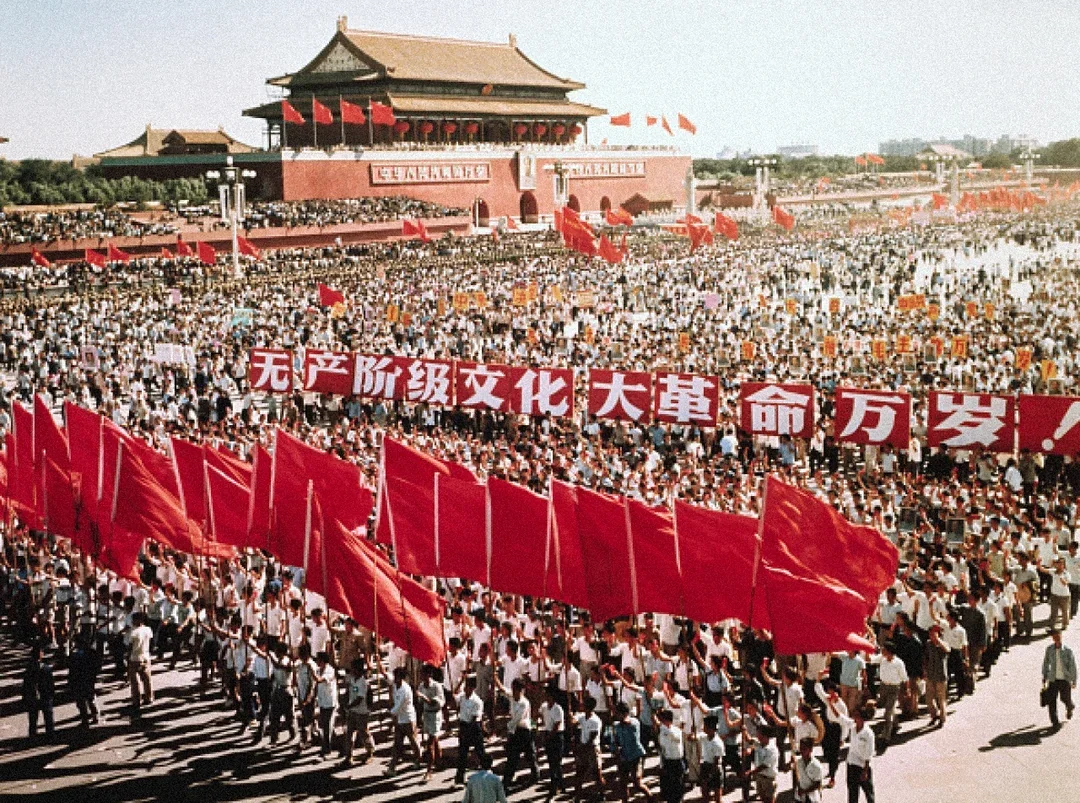
Recognized as the “Godfather” of contemporary Chinese art, Zheng has long championed freedom of expression through his teaching and curatorial practice. As Chinese contemporary art surged into a “gold rush” on the international market in recent decades, he consistently reflected on the artist’s responsibility—to question, challenge, and engage critically. These concerns carry renewed urgency today, as China appears to be entering a period in which freedom of expression is again constrained and artists face pressure to align with the state.
Using the “Zócalo” as a metaphor for open space—and as an approach to history and culture—Zheng’s lifelong pursuit of a deeper understanding of complex historical and global exchange feels especially vital in today’s world, where nuance and complexity are often obscured by ignorance, oversimplification, generalization, or propaganda. His life models a different perspective: one that holds multiple truths simultaneously, sees culture as a site of exchange rather than competition, and resists reducing history to simple narratives.
In many ways, this project also explores the fractured experiences of diasporic Chinese communities—particularly those from Hong Kong, Taiwan, and mainland China—who are often caught between political forces and cultural assumptions. Within both the Canadian arts landscape and broader global discourse, nuanced explorations of the emotional and psychological realities of these communities—beyond the factual record of historical events—remain scarce. Zheng is a singular cultural figure whose extraordinary life embodies these layered political and historical contexts. By addressing this gap, the film aims to foster deeper conversation, critical reflection, and a more complex understanding of what it means to live—and create—between worlds.