
From the Cultural Revolution to global influence— one artist reshapes contemporary Chinese art. A life across continents, a legacy that bridges East and West
Type of Production Documentary (one - off, feature)
Estimated Running Time 90 minutes
Project Timeline
September 2025 – April 2027 Research & Development
May 2027 – August 2027 Production
August 2027 – April 2028 Post-Production
April 2028 World Premiere (Hot Docs)
Estimated Budget CA$750,000
When Shengtian Zheng first left China in 1982, he travelled to Mexico City. There, in the Zócalo—the city’s central square—he experienced a polyphony of impressions: preparations for a presidential inauguration unfolded alongside a hunger strike protesting unlawful arrests. Nearby, the unearthed remains of Montezuma's ancient city were being transformed into an open-air museum. He was struck by how so many different activities could coexist within the same public space—events that one day we may look back on as history.
For those raised in the Communist era, public space—embodied by Tiananmen Square (廣場)—always carries a specific political weight: it is the emblematic stage for the performance of centralized party-state power. The civic and democratic life of Mexico City’s square left a lasting imprint on Zheng. Since that moment, the Zócalo has lived on as a metaphor for his lifelong pursuit: a space that holds multiple truths simultaneously, where cultures interweave rather than contend.
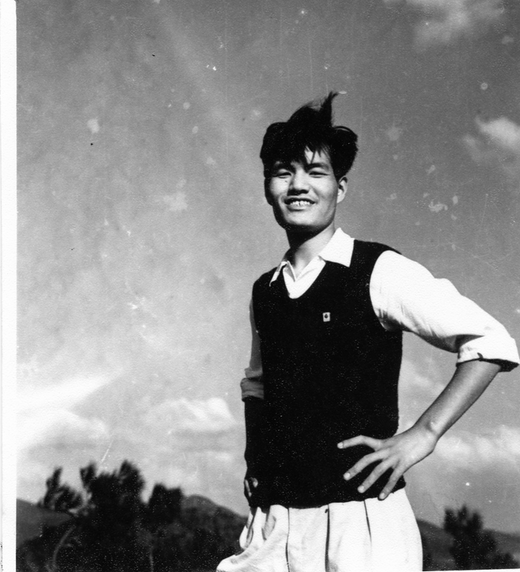
Born in 1938 into a family of intellectuals during the Japanese War, Zheng’s mother was a devoted Christian, and his father was among the first Chinese graduates of Washington University in Seattle—an uncommon upbringing that foreshadowed an extraordinary life.
He came of age amid war, revolution, and political upheaval. Trained as an oil painter, he later became a professor at the China Academy of Art in Hangzhou. In 1982, he travelled to the United States as one of the early Chinese artists to study in the West following the Cultural Revolution. After an extensive journey across Europe, he returned to China in 1984. The books, artworks, and ideas he brought back helped catalyze experimental contemporary art practices in China, earning him the widely recognized title of the “Godfather of Chinese contemporary art.”
Zheng often states, in earnest, that he “originally dreamed of going to Mexico.” His life has been marked by constant twists and turns, including his departure from China in June 1989 following the Tiananmen Movement and his unplanned relocation to Canada in 1990.
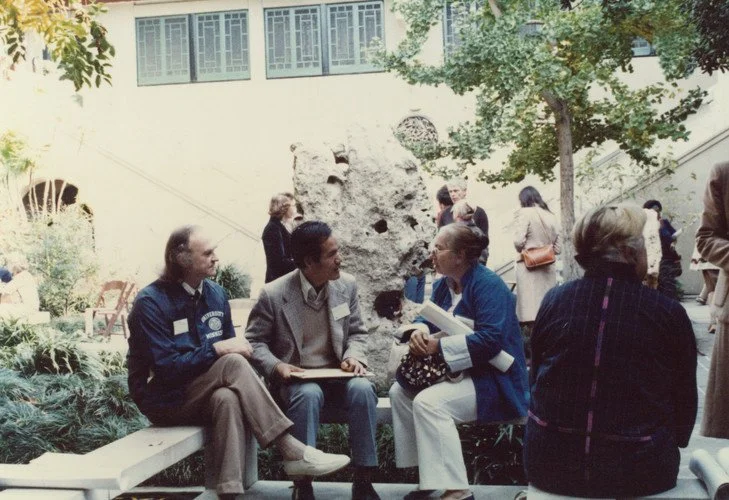
After settling in Canada, Zheng emerged as a vital cultural ambassador. His work has not only significantly shaped contemporary Chinese art and enriched British Columbia’s artistic landscape, but has also advanced global artistic dialogue, grounded in his deeply engaged research into Mexican art and its role in rethinking cultural exchange beyond Eurocentric frameworks.
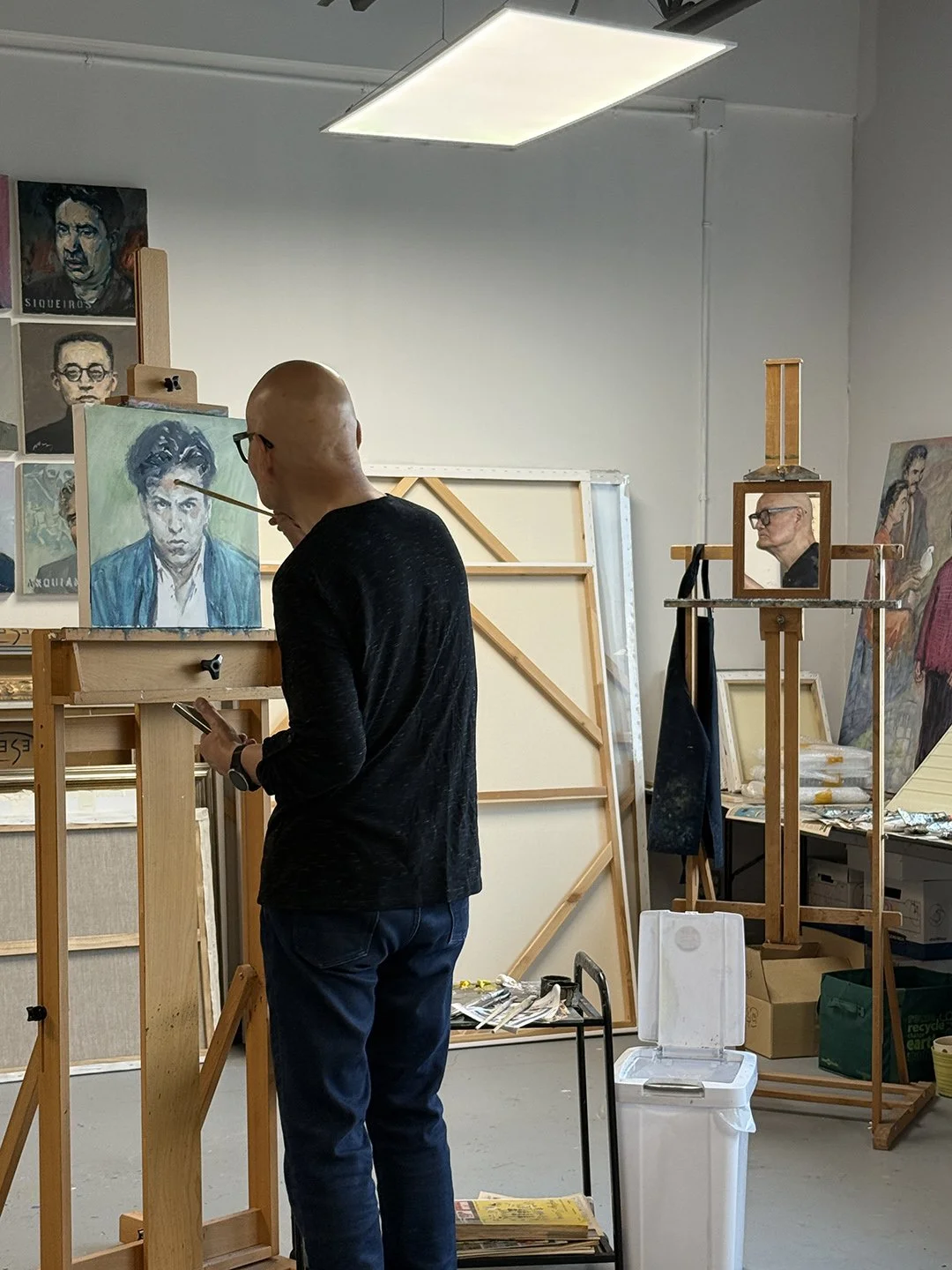
At the same time, beneath Zheng’s career as an international curator and scholar runs a lifelong struggle with his own artistic practice. Trained in Russian realism, he came to realize during his first trip to the West that “once your creative wings have been bound for too long, you forget how to fly freely”—a painful insight that echoes the artistic constraints of an entire generation.
This documentary traces global transformation through one artist’s journey. Moving between Asia, North America, Europe, and Latin America, Zheng’s trajectory opens a rare entry point into the intertwined cultural histories of the late 20th and early 21st centuries.
Inspired by Wim Wenders’s Anselm, the film unfolds as an experimental, boundary-pushing work—an immersive, sensorial experience that departs from the conventions of the biographical documentary. It follows Zheng through overlooked historical moments, a personal search for a way of seeing between worlds, where memory and global art history converge.